Engine Hours vs Odometer: Which Metric Should You Track?
The Mixed Fleet Challenge: One Size Does Not Fit All
Fleet managers managing a mixed fleet of assets-such as pickup trucks, delivery vans, excavators, and generators-often make a critical mistake: they try to apply a single maintenance metric across the board.
Forcing everything into a mileage-based schedule leads to disaster. When evaluating engine hours vs odometer tracking, the rule is simple: you must match the maintenance metric to how the asset actually undergoes mechanical wear and strain.
1. When the Odometer is King
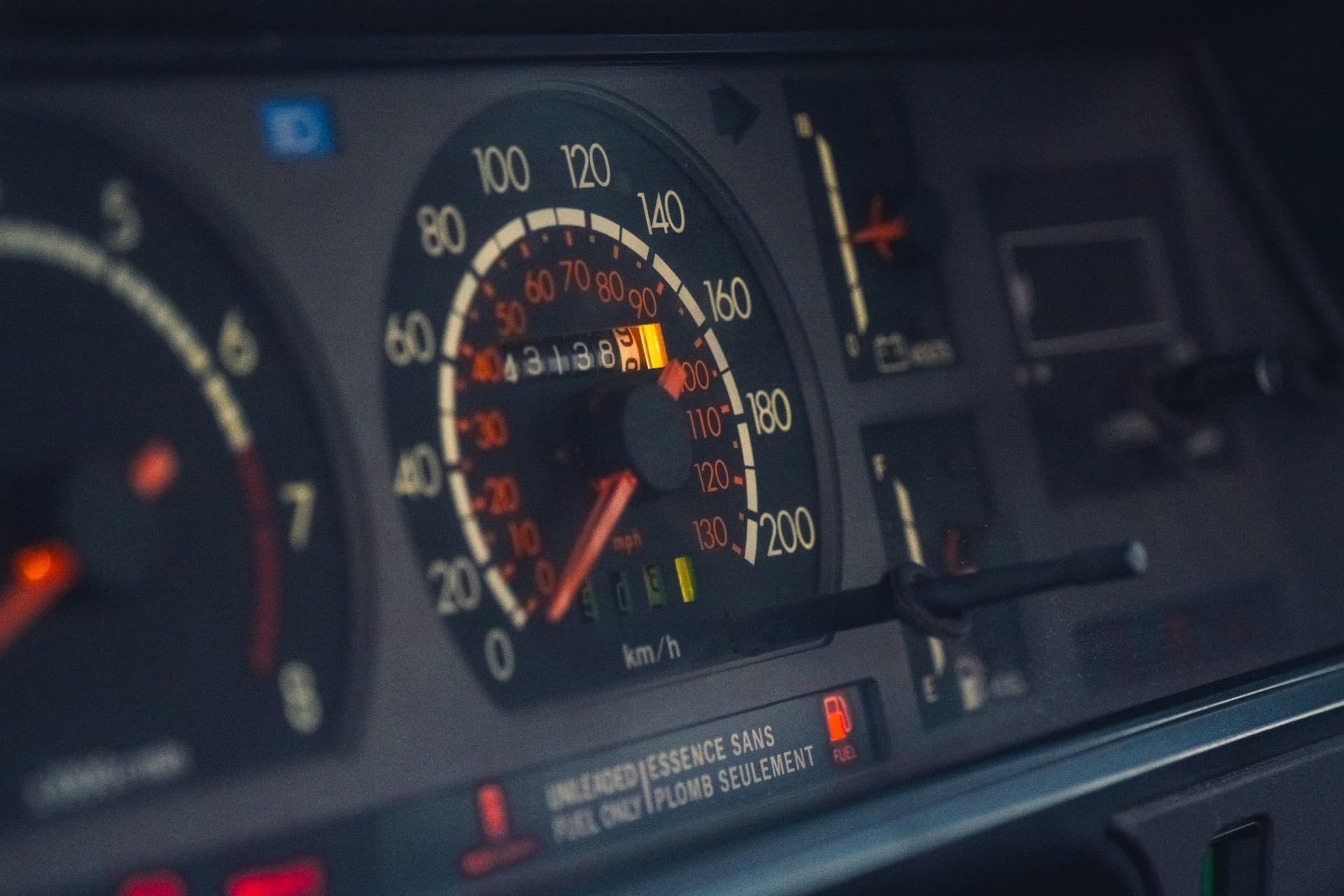
Odometer tracking measures the linear distance traveled by a vehicle. It is the absolute standard for assets that spend most of their operational life moving on public roads.
- Best suited for: Long-haul trucks, delivery vans, sales team cars, and standard commercial assets.
- Why it works: Road vehicles experience wear relative to the distance covered. Tires, wheel bearings, brakes, and highway engine cycles correlate directly with miles or kilometers driven.
- The blind spot: Odometer readings completely fail to account for severe idling. If a delivery van sits running in heavy city traffic or operates a power take-off (PTO) system while parked, the engine is wearing out, but the odometer stays completely still.
2. When Engine Hours Are Crucial
Engine hour tracking measures the total cumulative time an engine has been running, regardless of whether the vehicle is moving or stationary.
- Best suited for: Excavators, tractors, forklifts, diesel generators, boats, and heavy construction equipment.
- Why it works: A stationary excavator might move only 500 meters in a week, but its engine, hydraulic pumps, and cooling systems could operate under maximum load for 50 hours. Tracking hours captures the true internal stress placed on fluids and mechanical components.
- The standard interval: For heavy equipment, oil changes and routine filters are typically scheduled every 250 to 500 engine hours - the intervals that heavy equipment maintenance software is built around - rather than calendar months.
Key Decision Matrix: Hours vs Mileage
To keep your fleet maintenance accurate, use this quick checklist to categorize your assets:
- Track by Odometer: If the asset's primary job is transporting goods or people from point A to point B over roads (e.g., logistics vans, rental cars).
- Track by Engine Hours: If the asset works hard while stationary, operates hydraulic attachments, or runs auxiliary machinery (e.g., cranes, farm tractors, waste management trucks with compactors).
- The Hybrid Approach: For vocational trucks (like utility service vehicles), the best practice is tracking both. Service the asset whichever limit it hits first: 10,000 kilometers OR 250 engine hours.
3. The Danger of Using the Wrong Metric
The Maintenance Trap: Relying on the odometer for heavy machinery leads to catastrophic under-maintenance. Relying on engine hours for high-speed highway trucks leads to over-servicing and wasted budget.
If you service a commercial tractor based on an odometer, it might take a year to hit a standard mileage interval, even though the engine worked thousands of hours in the field. By then, the hydraulic fluid is degraded, and internal engine damage is already done.
Simplifying Mixed Fleet Asset Management
Historically, keeping track of two entirely different tracking metrics required expensive telematics systems or endless spreadsheets.
By leveraging construction equipment management software, your operators can quickly scan a QR code on the dashboard during their morning walk-around and log either the current mileage or the engine hour meter directly from their smartphone screen. This keeps your records 100% accurate, automatically flags upcoming services based on the correct metric, and eliminates unscheduled mechanical downtime across your entire mixed fleet.