QR Codes vs GPS Trackers: A Cost Comparison for Small Fleets
The Small Fleet Dilemma: Overpaying for Enterprise Tech
When small business owners start looking for ways to manage 5 to 30 vehicles, the industry usually points them toward enterprise-grade telematics. Companies promise real-time satellite tracking, geofencing, and driver behavior analytics.
But for a local delivery service, a regional plumbing contractor, or a small car rental agency, these complex systems are often massive financial overkill. When comparing gps trackers vs qr codes, small fleets need to look closely at the total cost of ownership (TCO) and actual operational utility.
1. The Cost Breakdown: Hardware vs Paper
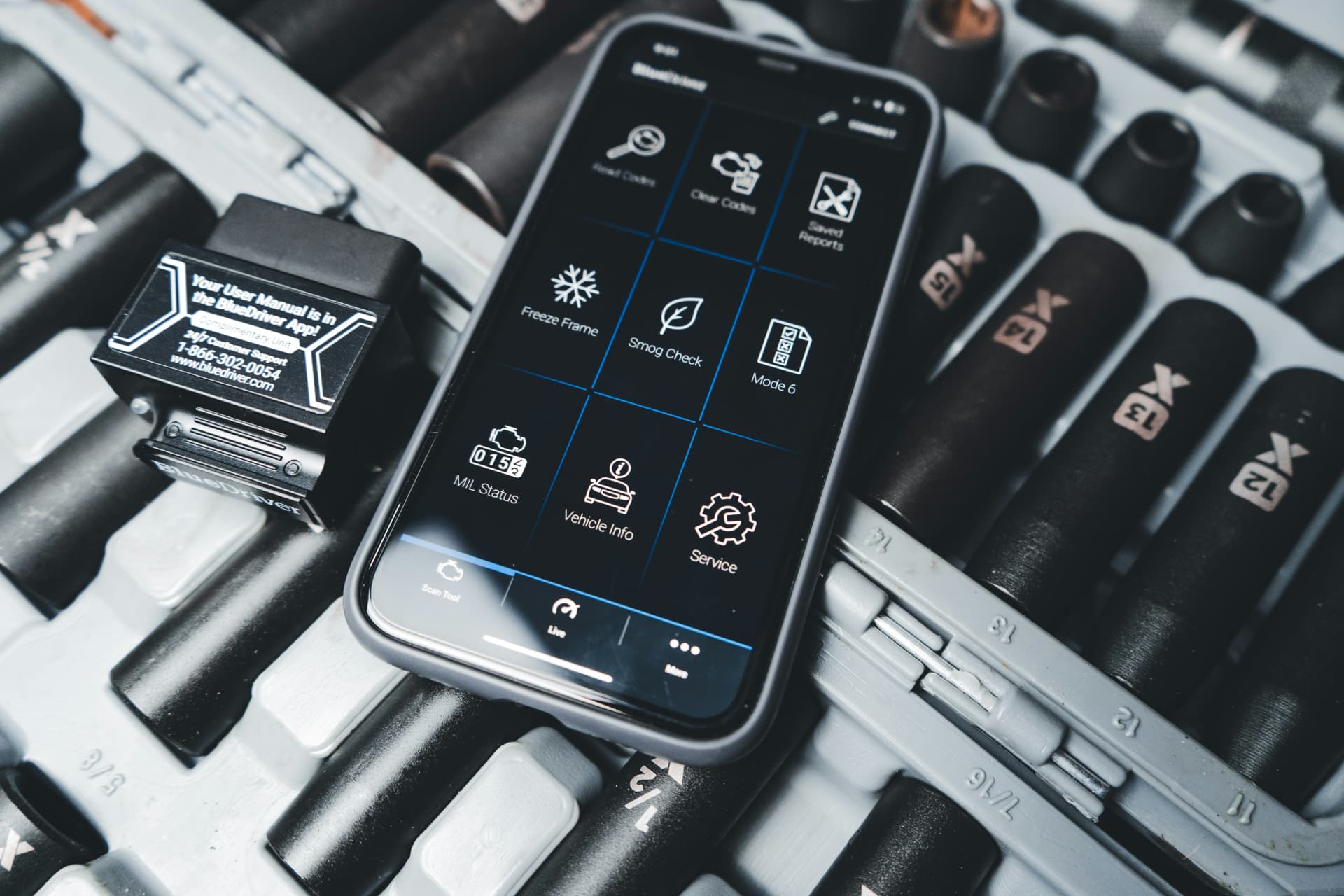
Let's talk numbers. Implementing a classic active GPS tracking system requires hardware units, professional installation to avoid electrical tampering, and mandatory monthly data plans for cellular transmission.
- GPS Trackers Expense: A standard commercial OBD-II or hardwired GPS tracker costs between $50 and $150 upfront per vehicle. On top of that, cellular data subscriptions run anywhere from $15 to $40 per vehicle, every single month. For a fleet of 15 vans, that represents an annual fixed cost of up to $7,200.
- QR Code System Expense: QR-based fleet logging requires zero proprietary hardware. The asset tags are printed on durable, weatherproof vinyl stickers for pennies. The operational cost shifts entirely to the software license, which is typically billed flat-rate or at a fraction of telematics costs, saving small businesses thousands of dollars annually.
2. Implementation and Maintenance Friction
Active telematics devices require vehicle downtime for installation. If a tracker malfunctions, troubleshooting involves mechanics, multi-meter testing, or shipping units back for RMA replacement.
In contrast, a digital asset logging system utilizing QR codes can be fully deployed across a small fleet in under an hour. A manager generates the tags, prints them out, and sticks them directly onto the driver-side door jamb or dashboard. If a sticker gets scratched or damaged, printing a replacement takes 30 seconds.
Direct Comparison: Which Tech Fits Your Fleet?
Here is a quick breakdown of how these technologies match up for everyday operations across five key metrics:
- Upfront Cost: Active GPS systems require heavy initial hardware investment ($50 to $150 per unit). QR Code Fleet Logs cost next to nothing, requiring only durable vinyl stickers.
- Monthly Fees: GPS trackers lock you into mandatory, per-vehicle cellular data contracts. QR codes work on a flexible, flat-rate or affordable SaaS subscription model.
- Installation Complexity: Telematics require professional hardwiring or occupying the OBD-II port, causing asset downtime. QR code tags offer instant stick-on deployment in under a minute.
- Driver Engagement: GPS tracking is completely passive for the operator. QR codes actively engage drivers in safety culture by requiring a physical scan to open pre-trip checklists.
- Best Used For: Choose active GPS trackers if you need live, minute-by-minute route optimization. Choose QR code logs if your main goal is eliminating paperwork, organizing maintenance tracking, and ensuring compliance.
3. Culture of Accountability: Passive vs Active Logging
Key Operational Insight: GPS trackers tell you where a truck is, but they cannot tell you what condition it is in.
GPS devices track location passively. They won't alert you that a driver ignored a leaking radiator hose or skipped a pre-trip oil check.
Using a gps trackers vs qr codes comparison highlights a psychological shift: scanning a physical QR code requires the operator to stand next to the machine. By forcing a physical scan before a shift, operators actively participate in safety compliance, logging odometer readings, walk-around photos, and fluid checks directly from their smartphones.
Final Verdict for Small Businesses
If your business relies on dynamic, minute-by-minute routing (like an on-demand taxi service or courier network), the investment in active GPS tracking is justified. However, if your primary goal is to eliminate paper logs, track mechanical uptime, ensure regulatory safety compliance, and prevent costly engine failures, QR codes offer an unbeatable ROI without tying you down to predatory multi-year hardware contracts.