The Ultimate Guide to Preventive Maintenance for Small Fleets
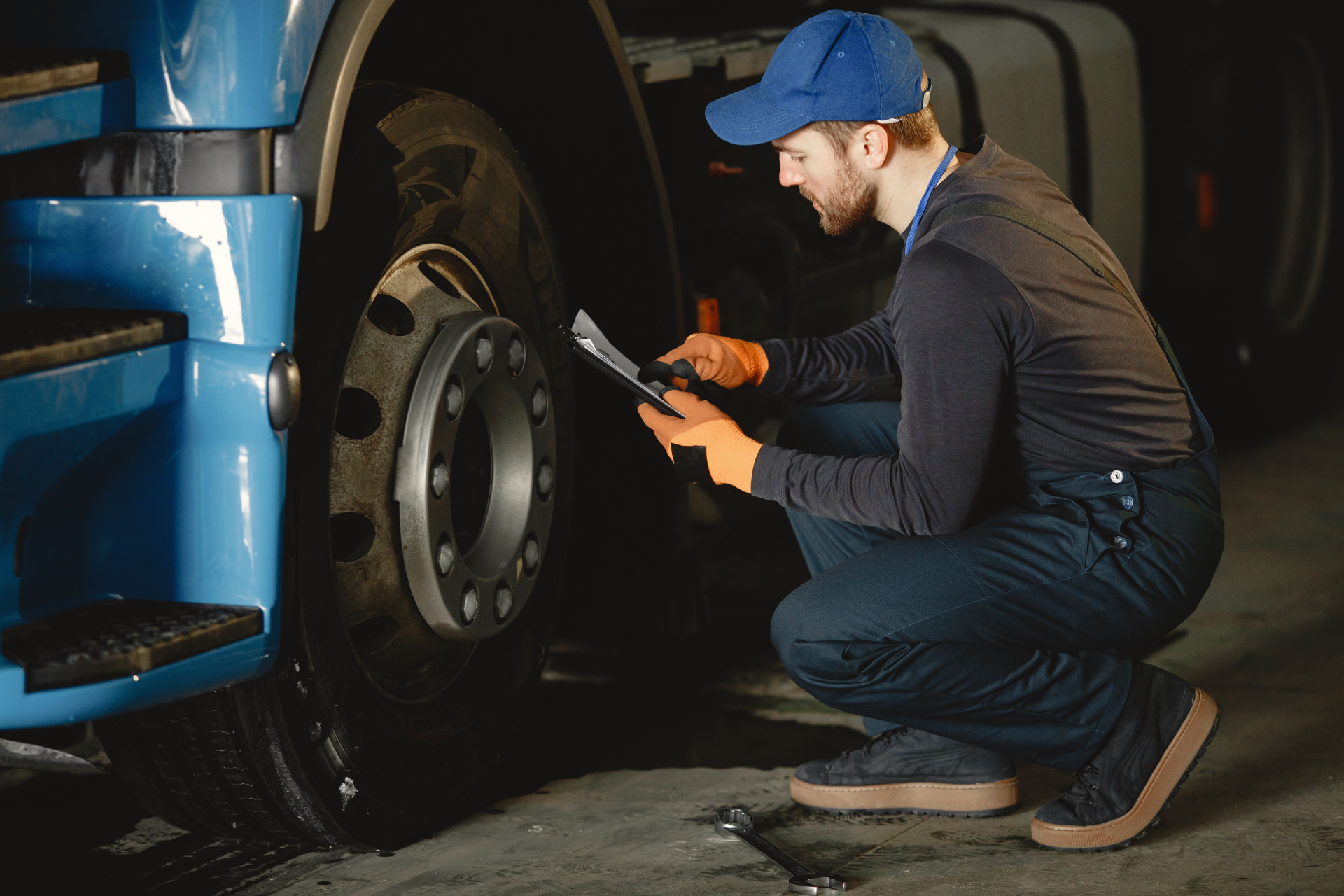
The Ultimate Guide to Preventive Maintenance for Small Fleets
Managing a fleet of commercial vehicles, rental cars, delivery vans, or field equipment is a constant juggling act. When a vehicle breaks down unexpectedly, it is not just a mechanical issue. It means missed deadlines, unhappy customers, towing fees, and expensive emergency repairs. For small and medium fleets, unexpected downtime can severely hurt profitability.
The good news? Most major breakdowns are completely preventable.
In this comprehensive guide, we will break down what preventive maintenance (PM) is, why traditional tracking methods fail, and how small fleets can implement a streamlined, modern maintenance routine without spending a fortune on complex GPS hardware or enterprise software.
What is Preventive Maintenance?
Preventive maintenance refers to regular, scheduled vehicle inspections and servicing designed to spot and fix minor issues before they turn into major component failures. Instead of reactive maintenance, where you fix something only after it breaks, PM is proactive.
Core elements of a preventive maintenance program include:
- Regular oil changes and fluid checks based on mileage or engine hours.
- Tire rotations, brake inspections, and tread depth tracking.
- Battery health checks and electrical system diagnostics.
- Routine safety and compliance checks.
Why Traditional Tracking Methods Fail Small Fleets
Many growing fleet owners start with simple tools like paper checklists, whiteboards, or complex Excel spreadsheets. While these methods are free, they quickly break down as the fleet grows:
- Paper gets lost or damaged: Drivers forget to hand in inspection sheets, or logs get ruined in wet, dirty field conditions.
- Spreadsheets are rarely up to date: Manual data entry leads to human error, and it is easy to miss a crucial oil change interval buried in a multi-tab file.
- No real-time visibility: Managers have no way of knowing the current status of a vehicle until a driver physically reports a problem.
How to Set Up a Simple PM Program in 4 Steps
You do not need an expensive enterprise telematics system to keep your vehicles moving. Here is a lightweight framework to get started:
1. Define Your Tracking Metric
Determine whether your equipment runs best on odometer mileage or operating engine hours. Heavy machinery and marine equipment rely heavily on engine hours, while delivery fleets track mileage.
2. Establish Clear Maintenance Intervals
Consult your vehicle manufacturer guidelines and set clear thresholds (for example, service every 10,000 kilometers or every 250 engine hours).
3. Digitize Driver Checklists
Make it frictionless for drivers or operators to log updates. Scanning a physical QR code mounted directly on the asset with a smartphone allows a driver to submit mileage or operating hours in seconds, without downloading a mobile app.
4. Automate Reminders
Use software that alerts you automatically when a vehicle is approaching its service threshold, keeping your fleet compliant and safe on the road.
Conclusion: Keep Your Fleet Moving
Preventive maintenance does not have to be complicated or expensive. By shifting from reactive firefighting to a streamlined, digital-first routine, small fleets can dramatically reduce repair bills and extend the lifespan of their equipment.
Ready to take control of your maintenance schedule? Stop relying on messy spreadsheets and paper logs. Try QRFleet today and set up your first vehicle in less than two minutes.